4 Black People Dating Website Options for 2026
Compare four Black people dating website options for 2026, including their strengths, tradeoffs, and which one fits your relationship goals.
Searching for a Black people dating website sounds specific, but it can hide several different needs. You may want someone who understands Black American life without a cultural briefing. You may be Nigerian and want a partner who understands family, faith, language, and the realities of living abroad. Or you may simply want a serious relationship with someone who respects your background instead of treating it as a category to select.
The right choice depends on which problem you are actually trying to solve. A culturally focused pool can reduce some explanation, but it cannot automatically tell you whether a match is emotionally available, honest about other dates, or genuinely ready for commitment.
The four options below take different approaches. I compared who each platform is built for, how it creates matches, what you can do for free, and how much screening still falls on you.
4 Black People Dating Website Options Worth Comparing
| Platform | Best for | Main strength | Main tradeoff |
|---|---|---|---|
| Diamour | Nigerians in the diaspora | Culture, intent, and compatibility filters | A newer, more specific community |
| BlackGentry | Ambitious, intentional Black singles | Membership review and a Black-focused pool | Waitlist and optional paid upgrades |
| Hinge | People who want a large mainstream pool | Detailed profiles and ethnicity preference | You still screen intent yourself |
| Palaura | People tired of swiping and surface-level matching | AI matchmaker interviews and pre-screens for fit | Only a few introductions at a time |
1. Diamour — Best for Nigerians in the Diaspora
If you are Nigerian and living in the United States, the usual dating-app question may not be “Can I find another Black person?” It may be “Can I meet someone who understands my roots, my relationship timeline, and what family compatibility means without translation?”
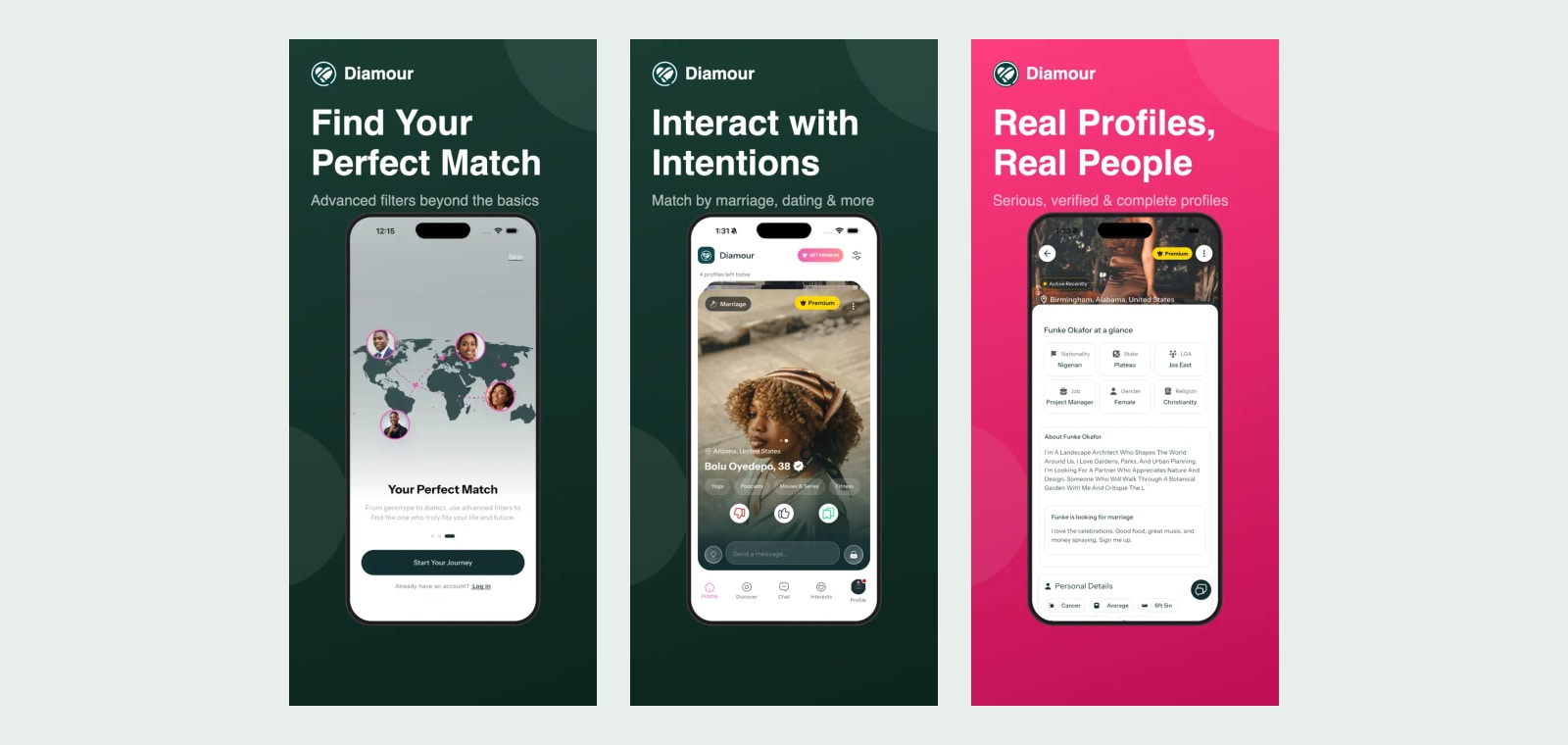
That is the gap Diamour is designed to fill. It connects intentional Nigerian singles across the US, UK, Canada, and Australia. Its current tools include relationship-intent filters, non-negotiables, privacy controls, profile verification, and filters for background, religion, education, lifestyle, and genotype compatibility.
The most useful part is not simply that the pool is Nigerian. It is that intent and timeline are brought forward. Dating apps can work—I can meet a spouse online and build a real marriage—but the platform still needs to make it easier to find people who want the same kind of future.
Pros: strong cultural specificity; clear relationship-goal filters; verification and photo privacy controls; designed for serious relationships.
Cons: it is narrower than a general Black dating app, so it will not fit every Black dater; its US App Store footprint is still relatively small at 55 ratings; premium features and in-app purchases are available.
2. BlackGentry — Best for Ambitious, Intentional Black Singles
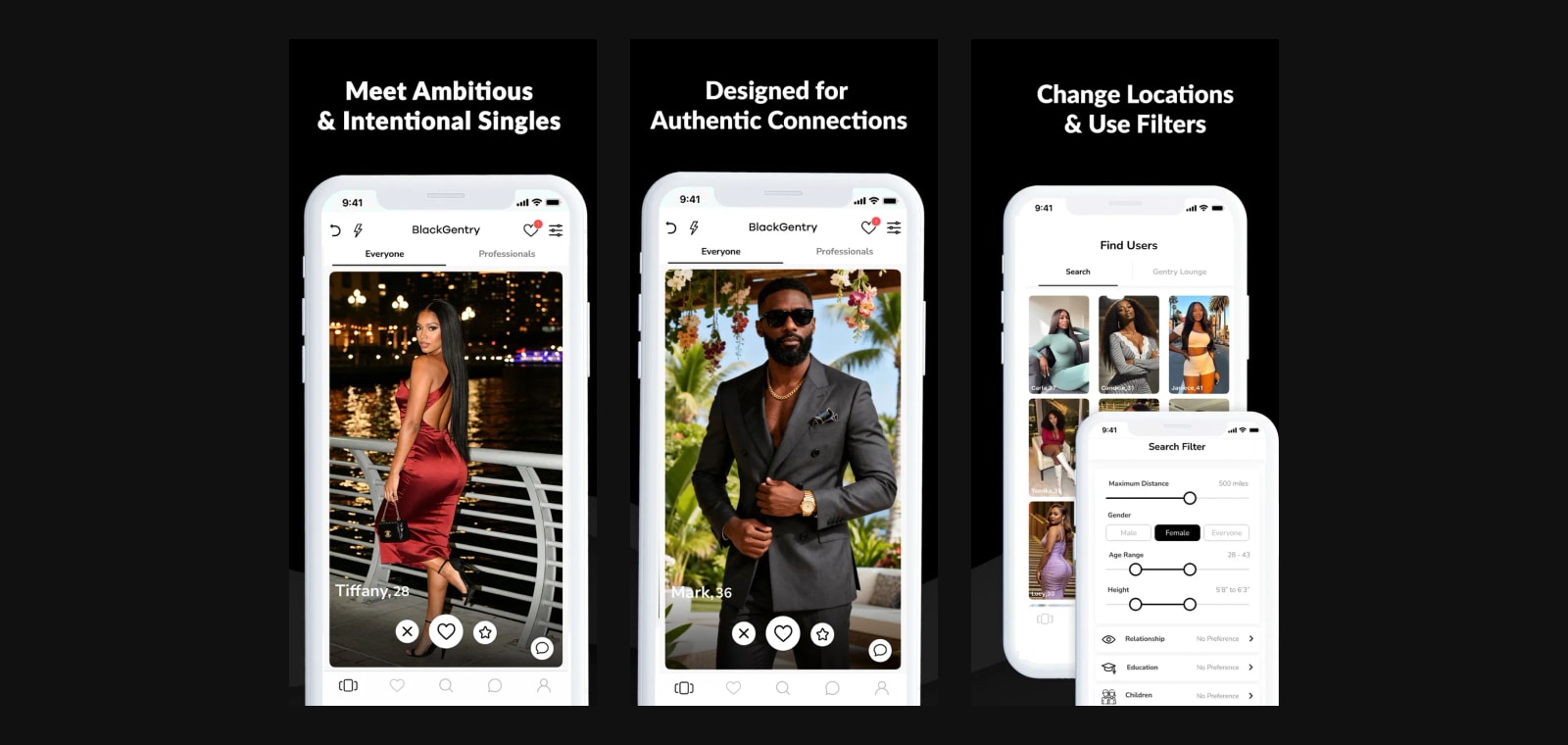
BlackGentry is for people who want a Black-focused dating pool but do not need the specifically Nigerian-diaspora structure of Diamour. Its positioning centers on ambitious and intentional singles, and every profile is reviewed by a membership committee before acceptance.
That review process matters because many people are not struggling to get likes; they are struggling to find people who made a real effort. BlackGentry looks for detailed, polished profiles and says its community values kindness, respect, integrity, and growth. Once accepted, members can chat with matches for free and send a limited number of direct messages.
Still, a polished profile is not the same as a complete picture. It can show effort and professional ambition, but it cannot prove that someone is over an ex, dating one person at a time, or emotionally ready for the relationship they selected.
Pros: Black-focused community; manual profile review; free chat with matches; a large current App Store footprint with 26,000 ratings.
Cons: acceptance is not guaranteed and applicants can remain on a waitlist; premium tiers unlock more features; the emphasis on polished presentation may not appeal to someone who wants a less curated process.
3. Hinge — Best for Mainstream Reach and Detailed Profiles
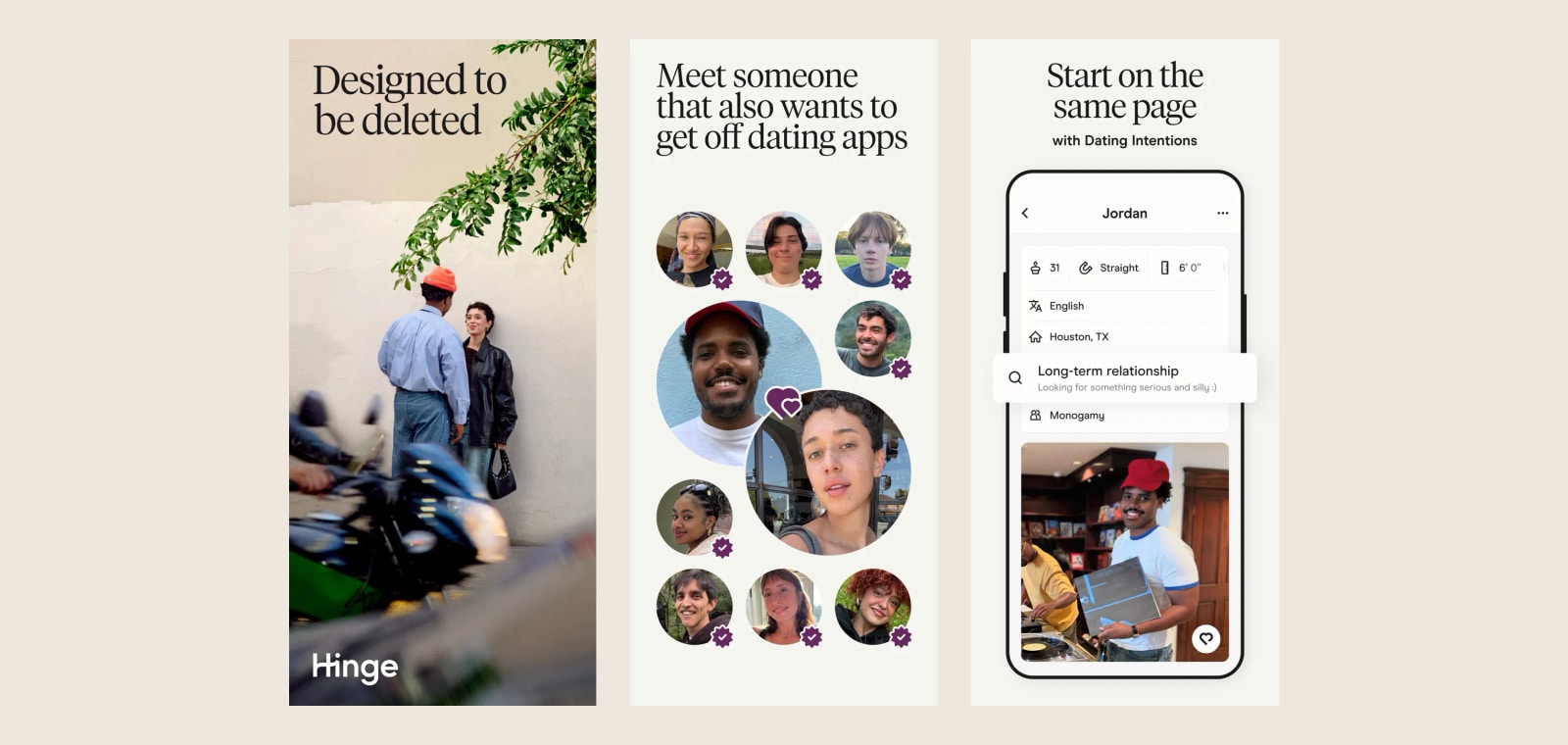
Hinge is not exclusively a Black dating website, but it belongs in this comparison because it combines a very large US user base with an ethnicity preference. Hinge says that preference was developed partly in response to requests from Black users who wanted to find Black love and shared cultural experience. Profiles can also include dating intentions, relationship type, religion, voice, video, and prompt answers.
That creates more context than a photo-only swipe. It does not remove the need to verify what the context means.
You can see someone every week for two months, live ten minutes apart, meet some of his friends, talk every day, and receive plans weeks in advance. All of that can make the relationship feel locked in. Then you can arrive at a group outing and learn that a woman he claimed to know from church is actually a Hinge match from three weeks earlier. He may say he “matches with every Black girl on Hinge,” insist the conversations were platonic, and end the night admitting he is still in love with his ex.
That story is not proof that Hinge causes dishonesty. It shows the limit of a profile-led platform: ethnicity, prompts, and even stated intentions cannot tell you what someone is withholding. The same pressure can push daters to game the system—changing an ethnicity preference, staging a yacht-and-Monaco lifestyle, or building an elegant online persona for access to a different pool. A highly optimized profile can win attention while making the eventual information mismatch worse.
Pros: the largest pool in this comparison; detailed profiles; ethnicity preference; selfie verification; free core experience.
Cons: unclear intentions and simultaneous matches still require your own screening; some visibility and recommendation features are paid; a broad pool can mean more time sorting people who do not share your cultural expectations.
4. Palaura — Best for Whole-Person Compatibility Without Swiping
If you are dating in the United States—or have lived here long enough for American dating culture to shape your expectations—the challenge is rarely just finding another Black person. You may also be balancing cultural identity, faith, family expectations, relationship labels, dating pace, work schedules, and the distance between US cities. Palaura is your AI matchmaker, and it approaches those overlapping questions from the opposite direction.
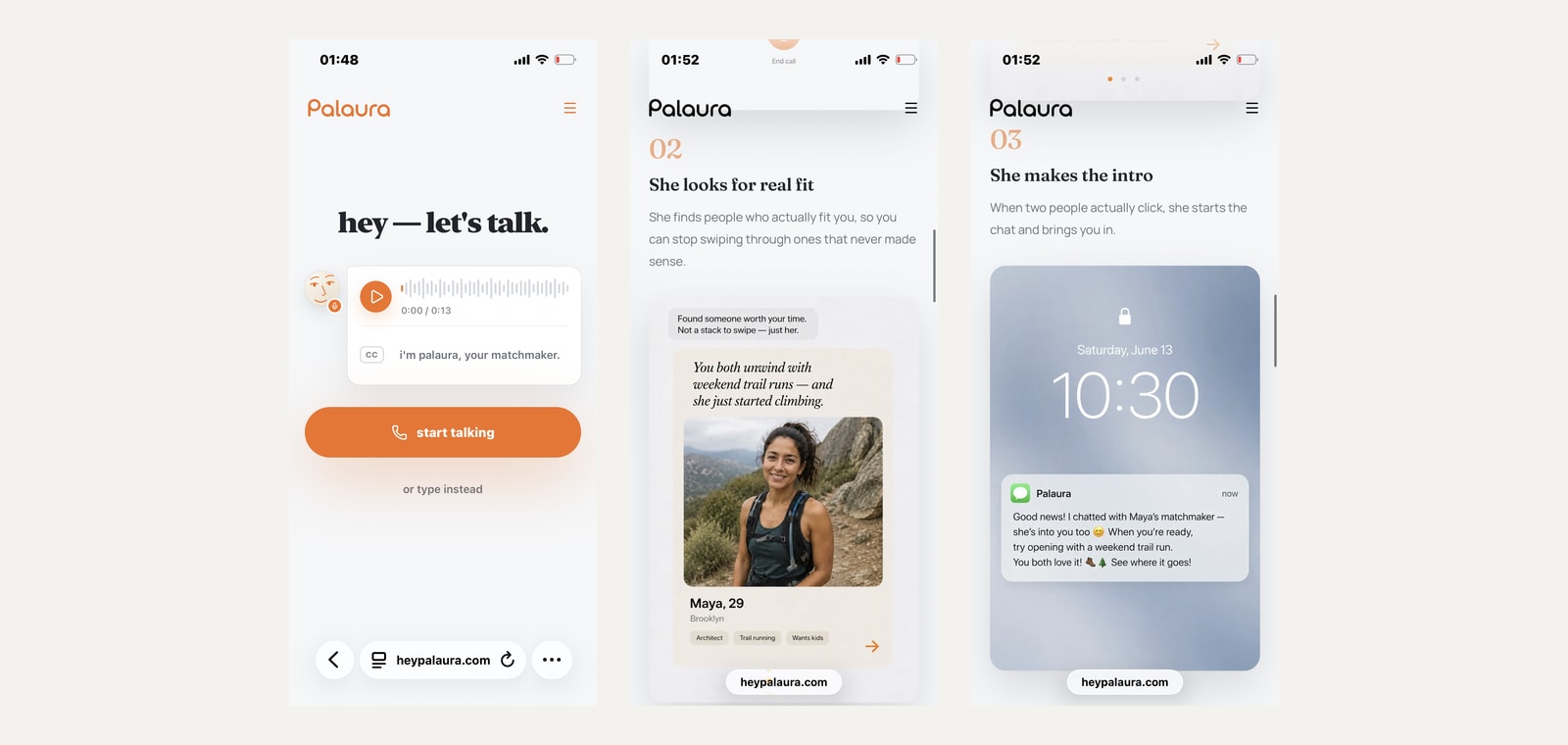
Instead of asking you to polish a public profile and browse a large pool, Palaura begins with a real-time voice conversation of about 15 minutes. You can type instead if you prefer. The matchmaker turns what you say into a structured relationship profile that includes your goals, values, boundaries, communication style, lifestyle, cultural background, location needs, and non-negotiables.
Palaura then applies hard filters and AI compatibility scoring before making an introduction. For someone dating in the US, that means ethnicity can remain important without becoming the entire match: the system can also account for where you live, the kind of relationship you want, how you communicate, and which cultural or family expectations actually affect daily life. Its matchmaker can speak with the other person’s matchmaker first, produce a compatibility report, and let you correct what it understood or missed before you invest in a conversation.
Only after mutual interest does Palaura help move the connection forward through introductions and contact exchange. There is no public profile pool to perform for, and Palaura only matches real users—it does not invent matches or fake progress.
The clearest drawback is also intentional: Palaura does not flood you with profiles. It may recommend only a small number of people—up to three in a daily iMessage batch—because the goal is to find fewer, stronger fits and give each introduction enough attention to be taken seriously. If you want nonstop swiping, that pace will feel slow. If you are tired of treating people as an endless feed, it is the point.
Pros: no swiping; private, whole-person profile; hard filters plus compatibility scoring; agent-to-agent screening; currently completely free.
Cons: fewer daily recommendations; the process asks for a real conversation and thoughtful feedback rather than instant browsing.
Match the Website to the Pain Point You Actually Have
Choosing a Black-focused pool can help with cultural familiarity, but the painful parts of online dating are usually more specific:
- You are tired of explaining your identity before a date can begin. Diamour addresses this for Nigerian diaspora singles through culture-specific filters. BlackGentry starts with a Black-centered community. Palaura lets you explain once how your identity fits into your life in the US, then carries that context into matching instead of reducing you to a race filter.
- You cannot tell who is serious and who is maintaining a roster. A relationship-intent label helps, but it is still self-reported. Palaura combines hard filters with a deeper interview, agent-to-agent pre-screening, and mutual opt-in before contact exchange.
- You feel pressure to perform for an algorithm. Changing your race category, location, or lifestyle presentation may get different attention, but it creates a version of you that the relationship eventually has to correct. Palaura has no public profile pool, so the match is based on the relationship profile rather than how well you market yourself.
- You spend too much time sorting people who look right but do not fit. A niche site narrows the pool; Palaura narrows the introduction. Its small daily batch is meant to replace endless browsing with a few people who clear your non-negotiables and show stronger compatibility.
- You worry that cultural respect will appear only after you exchange numbers. Even a carefully written profile cannot guarantee respect. Palaura cannot read a stranger’s hidden motives either, but it can surface values, boundaries, and potential conflicts before you are asked to invest in a conversation.

If your priority is a Nigerian-diaspora community, start with Diamour. If you want an ambitious Black membership pool and do not mind an application, BlackGentry is the more direct fit. If reach matters most and you are comfortable doing your own screening, Hinge gives you the widest field.
If you are dating in the US and your real problem is not access to more profiles but the work required to find someone who fits both your cultural reality and your relationship goals, try Palaura. It is currently completely free, and its smaller recommendation flow is built to help you treat each introduction as a person—not another card in a feed.
References
- Life as Ngozi — dating apps, diaspora relationships, and Diamour
- Sweet Dee — the Hinge roster and unresolved-ex story
- Mary Ogunbanwo — profile curation and changing the audience you attract
- Taylor Untamed — cultural respect on a non-Black niche dating site
- Chanelle Marie — concern about race and dating-app discovery
- Suzzy Ricee — mainstream dating apps often presented as serious options
- Diamour official website
- Diamour on the US App Store
- BlackGentry on the US App Store
- Hinge on the US App Store
- Hinge on ethnicity preference
- Palaura