Asian Females Dating in 2026: How to Be Seen as a Person

Asian females dating in the U.S. face stereotypes, fetishization, and cultural misunderstandings. Learn how to screen for respect and real fit.
You match with someone in New York. He seems unusually interested in your background. He loves anime, wants every date to involve Korean restaurants or movies, and keeps steering the conversation back to Asian women. At first, the attention can feel flattering. Then you start wondering: Does he actually like me, or does he like the category he placed me in?
That question sits underneath many searches for Asian females dating. The phrase may sound like a category, but the women behind it are not interchangeable. Dating should leave room for you as a whole person—not ask you to perform someone else's image of an Asian woman.
Being Popular Is Not the Same as Being Respected
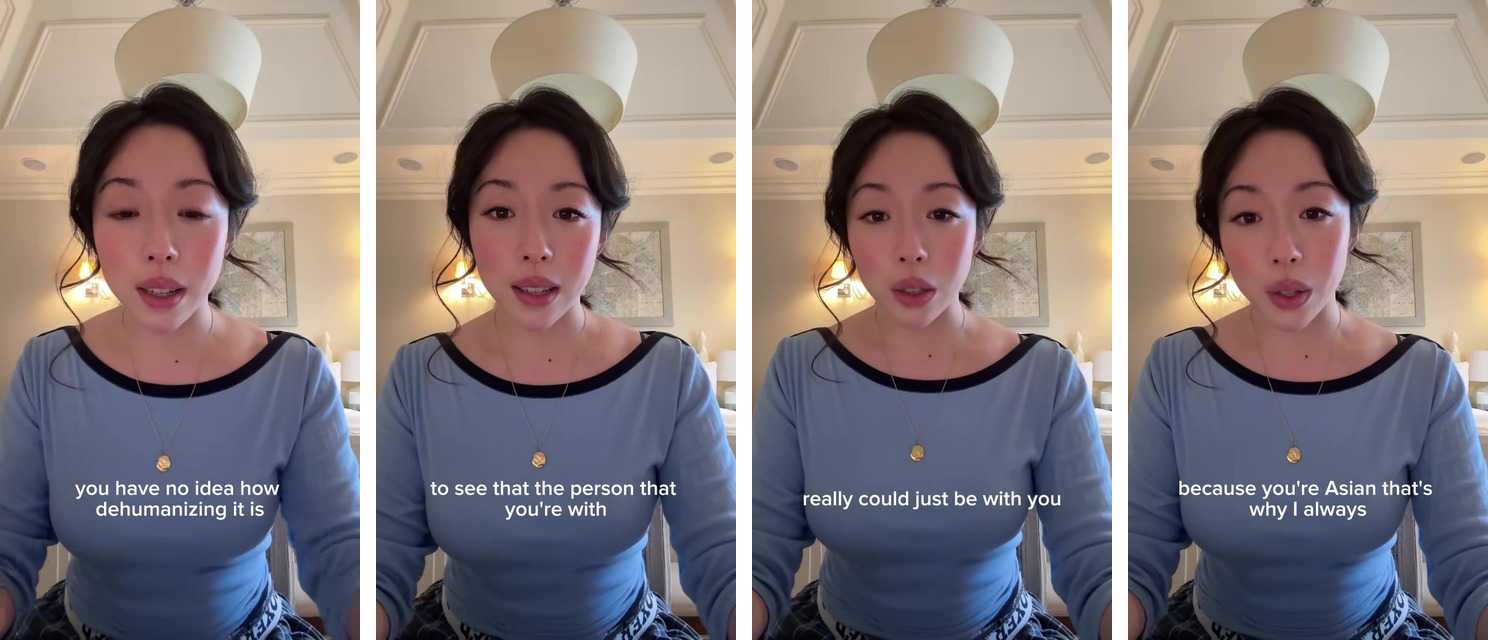
Being told that Asian women are “popular” on dating apps is not automatically a compliment. Attention can still feel dehumanizing when the person across from you is responding to an image, stereotype, or fantasy rather than the whole person sitting at the table.
The confusing part is that objectification can initially look like appreciation. Shared interests are not a problem by themselves. The warning sign is that every date becomes Korean-themed—Korean restaurants, K-town bars, Korean movies, Korean events, and repeated requests that you speak Korean.
That uneasy feeling deserves attention. Look at the pattern rather than one flattering comment: Does he have a long history of dating only Asian women? Does his social feed treat Asian women as a visual category? Does he ask about your actual tastes, or keep steering you toward what he assumes you should enjoy?
Ask Whether He Likes You—or an Asian Category

There is a useful difference between preference and fetishization. A preference means being attracted to someone as a whole person. Fetishization means being attracted to someone as part of a category.
You can hear the difference in the language. “Asian women are gentle, quiet, submissive, petite, skinny, or young-looking” recycles traits that any person may or may not have. None of them is an Asian personality requirement.
The same test works when someone repeatedly says “my Asian girlfriend” or “my Korean girlfriend” in situations where your ethnicity is irrelevant. Ask yourself why the label needs to lead every description. A partner can value your background without making it your entire personality.
One practical first-date question is: “Have you dated Asian women before?” Then look at the larger pattern: how many Asian ex-girlfriends has he had, and what does his Instagram following show? The point is to notice whether his interest reaches you as a whole person or keeps returning to Asian women as a category.
Cultural Interest Should Not Become a Script for You

On a U.S. app or first date, a painfully familiar conversation can go like this: you say you are Korean, and the next questions are “North or South?” and “Do you like anime?” He then explains how much he loves Japan and how much he wants to date someone Japanese—before asking for your number. Nothing in that exchange responds to the person in front of him.
The problem is not enjoying anime, Korean food, Korean movies, or Japanese culture. The problem is using those interests as a shortcut around getting to know you. Real cultural appreciation can survive the discovery that you do not watch anime or want every date built around Korean food, movies, or language.
Wanting to date across cultures is valid. The warning sign is turning race into an exclusive requirement even when someone outside that category has the personality and looks you want.
If someone is otherwise everything you want but becomes less interesting solely because they do not belong to the expected racial category, examine the rule. Dating a particular person is different from treating an entire race as the requirement.
Handle Cultural Differences With Questions, Not Assumptions
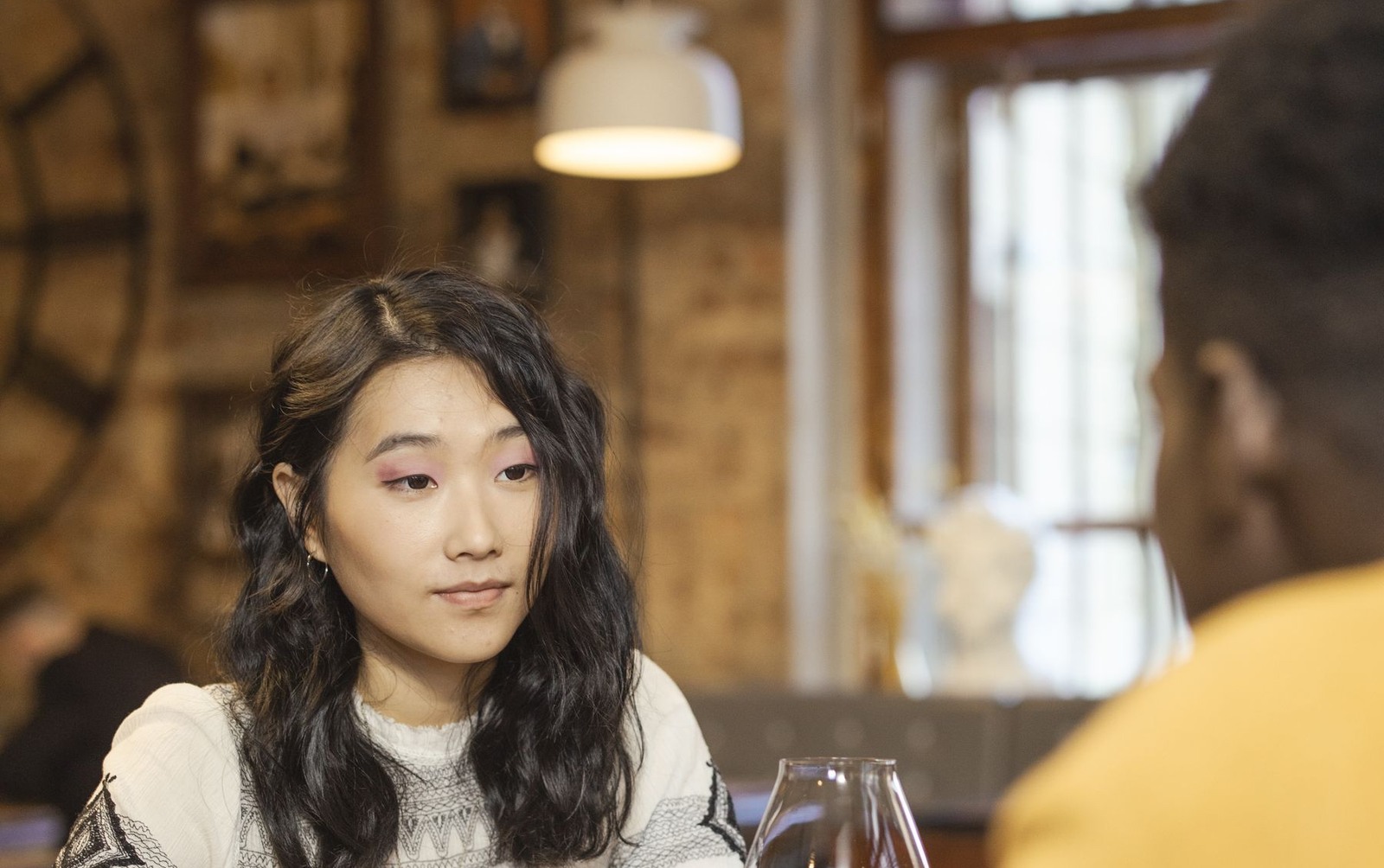
Not every confusing moment is fetishization. Sometimes you and a date are simply reading the same gesture through different dating scripts. If you expect paying for the first dinner to signal care while your date suggests an immediate 50/50 split, the same bill can send two different messages.
For some Chinese women, a man paying for the first meal communicates interest and care. Suggesting an immediate 50/50 split may sound like he does not want a second date. That does not necessarily mean she expects him to pay forever. She may prefer indirect reciprocity: he buys dinner, she buys coffee or movie tickets next time, and the return invitation creates another chance to meet.
For some Korean women, a date can feel exhausting when it resembles a checklist—appearance, skin, job, and marriage plans—before two people have even enjoyed coffee. A simpler invitation such as “You are cute; want pizza?” can feel more relaxed and expressive. The desire underneath is not necessarily “I want a foreigner.” It can be “I want to feel appreciated as a person instead of evaluated as a candidate.”
Do not turn either example into a new stereotype. Ask what generosity, reciprocity, and seriousness look like to this particular woman. A direct conversation is more respectful than assuming every Asian woman interprets who pays, how expressive a date is, or when marriage should enter the conversation in the same way.
Your Dating Intentions Deserve Equal Weight

Even after you screen out racial assumptions in a U.S. app conversation or cross-cultural date, the ordinary frustrations of modern dating remain. Someone may keep talking without any intention of building a future, leaving you in a situationship. He may make every conversation about himself, withdraw whenever the relationship needs clarity, or prioritize sex while you are hoping for romance and a real future.
When those patterns pile up, it is easy to ask, What am I doing wrong? But you cannot read another person's mind, and attention is not the same as care. Candlelit dinners, cute dates, and conversations that last until sunrise are the opposite of being treated as a convenient situation with no future.
Taking time away from dating can also be a valid answer. A four-year break is not a rule for every Asian woman. It shows how a long break can be freeing when you need to separate being wanted from being loved, stop measuring your value through male attention, and remember who you are outside someone else's lens.
When you return, keep the standard clear: your value is not a commodity to be preferred. It deserves respect. Before another U.S. app conversation becomes a situationship, ask whether the other person actually wants a future and step back when the answer stays vague.
How Palaura Addresses These Dating Pain Points
The problems above are connected. You can receive plenty of attention and still be chosen for an “Asian woman” stereotype instead of your personality. You can spend dates correcting assumptions about anime, language, who pays, and what generosity means. Then, after doing all that explaining, you may discover that the other person wanted a situationship while you wanted romance and a real future.
These are first-stage matching problems: the other person does not know the whole you, and you do not yet know whether their relationship intent, values, pace, and dealbreakers line up with yours. A dedicated AI matchmaker can move those questions before the introduction instead of making you uncover them one date at a time.
Palaura is your AI matchmaker. She is designed to address these pain points at the matching stage.
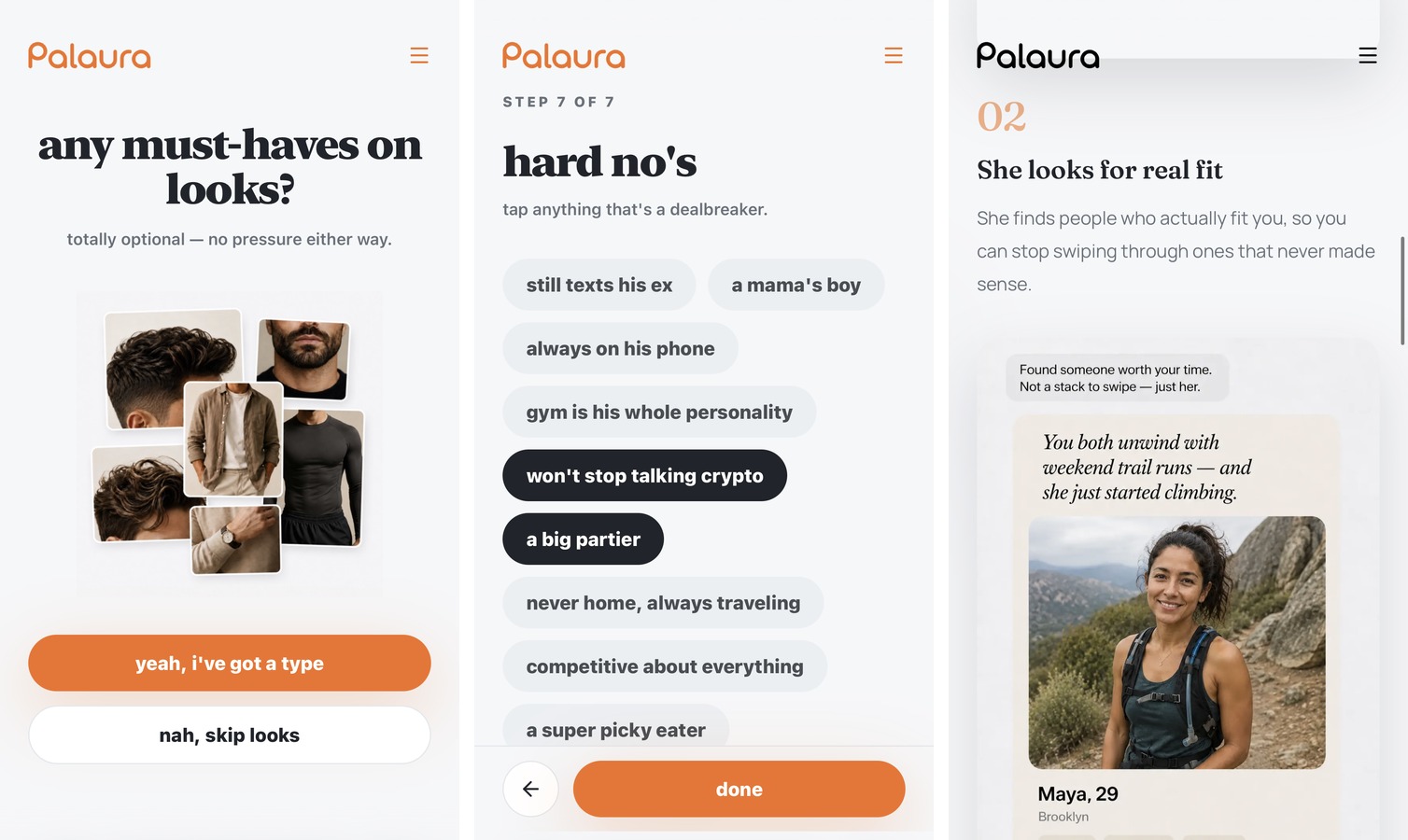
She starts with your own words, not a racial category. Tell Palaura what kind of relationship you want, the qualities you value, your pace, your hard no's, and whether looks matter to you. If expectations around paying, reciprocity, communication, or culture matter to you, explain them. This personalization gives her more than “Asian woman” and a few profile prompts to match on.
She searches for stated alignment before making an introduction. Palaura looks for people whose goals, values, and dealbreakers fit what you shared. That can reduce the chance of spending weeks with someone whose relationship intent or pace never matched yours.
She does the searching and screening instead of handing the work back to you. The experience is swipeless, so you are not sorting through endless profiles and trying to decode every person's intentions yourself. Palaura looks for real fit and makes an introduction when she finds it, adding efficiency to a process that otherwise requires you to screen every match alone.
No system can know a stranger's hidden motives before you meet. What Palaura can change is the starting point: from “Does this person like Asian women?” to “Do this person's stated goals, values, pace, and dealbreakers fit mine?” You can start for free at heypalaura.com.
References
- Naomi — type, fetishization, attention, and respect
- Jini in Town — stereotyped questions during an awkward date
- Rua — why some Korean women want less checklist pressure
- Ziyi Lan — Chinese dating expectations around paying and reciprocity
- Stephanie Ahn — dating an individual instead of a racial stereotype
- Cherry V — situationships, unclear intent, and wanting romance
- Naomi — listening to women's experiences of being reduced to a category
- Palaura
- Cover photo: cottonbro studio on Pexels — used under the Pexels License
- Flower-date photo: cottonbro studio on Pexels — used under the Pexels License
- Phone-date photo: cottonbro studio on Pexels — used under the Pexels License
- Dinner-conversation photo: cottonbro studio on Pexels — used under the Pexels License
- Asian-women coffee photo: Sam Lion on Pexels — used under the Pexels License
- TikTok frame: Naomi
- Palaura UI screenshots: official product material supplied by Felix